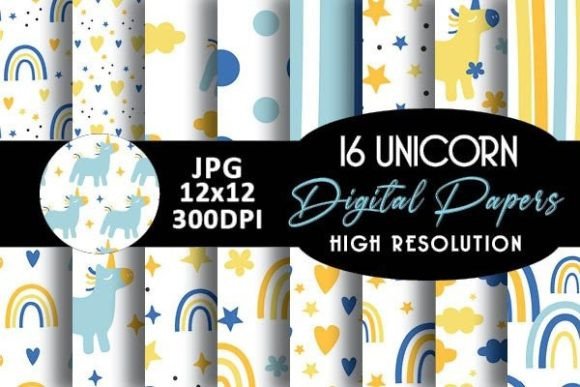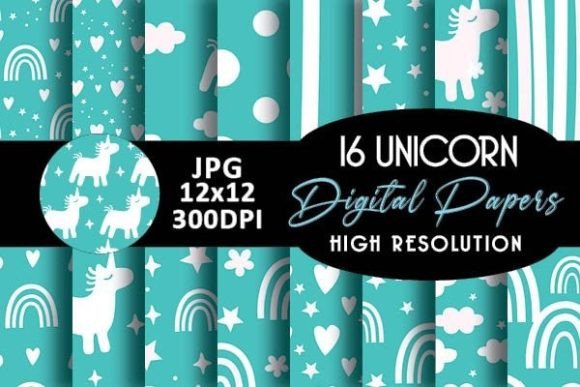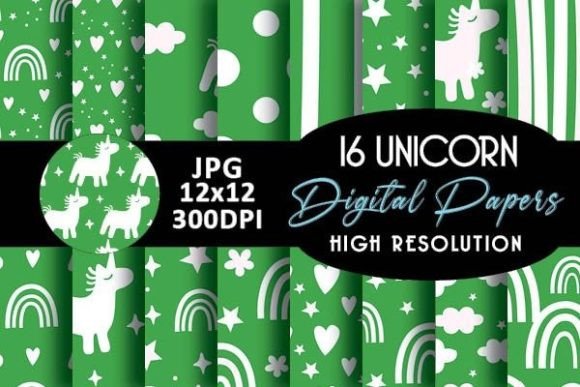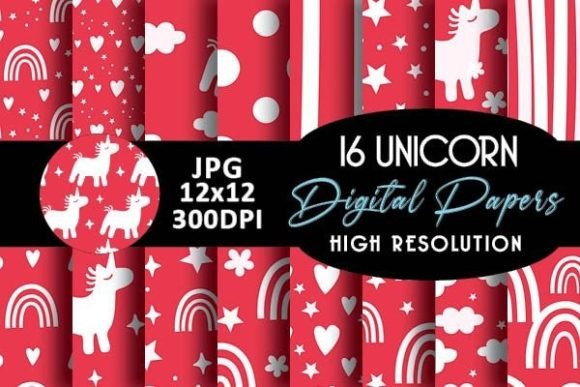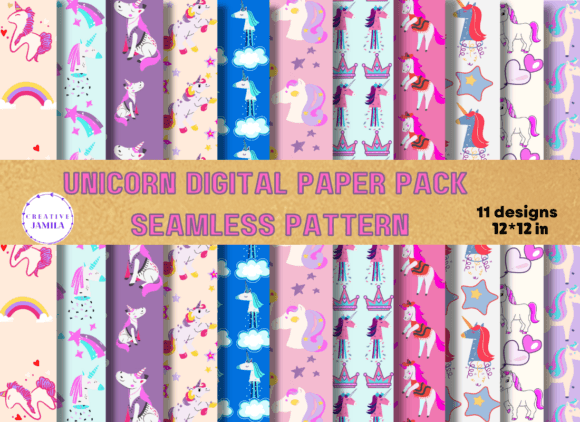
Purple Unicorn Digital Paper Patterns
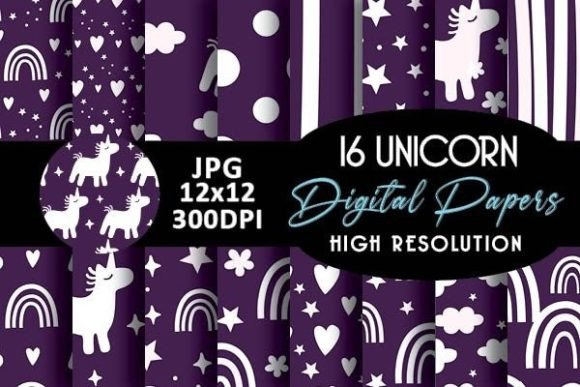
Digital paper patterns—especially those with cohesive, joyful themes like unicorns—are more than decorative assets. They’re functional workflow tools that support consistency, speed, and creative confidence across multiple stages of a project. Purple Unicorn Digital Paper Patterns is a curated set of 16 high-resolution digital papers designed for real-world use: not just as background fillers, but as reliable, reusable components in planning, production, and presentation.
What It Is—and Where It Fits
This collection includes 16 printable and screen-ready digital papers featuring unicorn motifs, rainbows, stars, clouds, and soft purple gradients—all optimized for clarity and versatility. Each pattern is delivered as a JPEG or PNG file (300 DPI), compatible with design software like Adobe Photoshop, Canva, Affinity Designer, Cricut Design Space, and even Microsoft PowerPoint or Google Slides. Unlike generic clipart packs, these papers are built around visual harmony: consistent color temperature, balanced scale, and intentional negative space—making them practical for both full-page layouts and cropped details.
In a broader creative or business process, Purple Unicorn Digital Paper Patterns functions as a foundational asset layer. Think of it like choosing a brand-aligned font or establishing a tone-of-voice guide: it sets the visual baseline before content is written, invitations are drafted, or lesson plans are formatted. It’s not the first thing you plan—but it’s often the first thing that makes execution feel intentional.
How It Supports Real Workflows
These papers integrate naturally at three key points: preparation, production, and personalization.
Before the Project: Streamlining Setup
When launching a new initiative—say, designing birthday invitations for a child’s unicorn-themed party—you don’t want to waste time sourcing, resizing, or color-matching backgrounds. With Purple Unicorn Digital Paper Patterns, setup becomes a 60-second task: open your design tool, import one of the 16 files, and layer text or photos on top. No need to adjust saturation, crop edges, or worry about print bleed. That saved time compounds across projects—especially for educators building themed classroom materials or small business owners preparing seasonal product listings.
For teams or collaborators, having a shared, pre-vetted set also reduces version confusion. Instead of five people downloading different “unicorn” images from free stock sites, everyone works from the same consistent palette and motif language.
During Creation: Supporting Consistency Without Constraint
The 16 papers vary intentionally—not just in motif (e.g., galloping unicorns vs. minimalist horn silhouettes), but in density, contrast, and background tone. Some feature light lavender bases for dark text; others use deeper plum for subtle watermark effects or layered transparency. This variation lets you match tone to purpose: a soft cloud pattern may suit a gentle baby shower announcement, while a bold rainbow stripe could energize a workshop handout or social media graphic.
Because all files are raster-based and high-res, they scale cleanly across formats—whether you’re printing A4 invitations, exporting Instagram carousels, or embedding into a PDF workbook. No pixelation. No reworking. Just reliable output.
After Delivery: Extending Value Through Reuse
Unlike physical paper or single-use templates, digital papers retain value long after the initial project ends. A teacher who used one pattern for a reading reward chart can repurpose another for a classroom job board. A blogger who created unicorn-themed Pinterest pins can reuse the same background in an email newsletter header or printable planner page. Because each file is self-contained and platform-agnostic, it lives outside any single tool or subscription—no logins, no expiring links, no dependency on third-party updates.
Integration With Other Tools and Assets
Purple Unicorn Digital Paper Patterns doesn’t require special software or plugins. It works where you already work:
- In Canva: Upload to Brand Kit or Templates for one-click access across team projects.
- In Cricut Design Space: Use as cut-layer backdrops or print-then-cut backgrounds for cards and stickers.
- In Notion or Obsidian: Embed as page headers or section dividers in digital planners or resource dashboards.
- In email platforms (Mailchimp, Klaviyo): Insert as background images in campaign banners—just verify your ESP supports background-image CSS or inline image hosting.
It also pairs efficiently with complementary assets. If you’re using unicorn-themed clipart, fonts like “Magical Unicorn” or “Rainbow Script,” or pastel SVG bundles, the papers provide the unifying ground—literally and visually—that ties everything together without competing for attention.
Practical Implementation Tips
Start small. Pick two papers—one light, one dark—and assign them specific roles: e.g., “Light Cloud = invitation backgrounds,” “Deep Purple Rainbow = certificate borders.” Naming conventions help: save files as PU-Paper-LightCloud.jpg or PU-Paper-RainbowStripe.jpg. This builds muscle memory and speeds up future selection.
Organize by use case, not just appearance. Create folders like Printables, Social Graphics, and Educational Tools, then copy relevant papers into each. You’ll avoid scrolling through 16 near-identical thumbnails when you only need something optimized for ink-saving home printing.
Test compatibility early. Open one paper in your primary design tool and check how it handles transparency (if PNG), layer blending modes, and export settings. A quick test prevents surprises during deadline crunches.
For long-term use, back up the folder locally and in cloud storage. These files are license-free for personal and commercial use—so treat them like other core assets: valuable, portable, and worth protecting.
Quality Control and Efficiency Gains
Each of the 16 papers was tested for print fidelity, screen legibility, and cropping flexibility. No patterns repeat within the set—so even if you use six papers across different projects in one month, viewers won’t register visual fatigue. That variety supports sustained engagement, whether you’re designing a 12-month planner or rotating social media banners weekly.
Efficiency isn’t just about speed—it’s about reducing cognitive load. When background decisions are made in advance, mental energy shifts to messaging, structure, and audience alignment. That’s especially valuable for freelancers juggling multiple clients or educators adapting materials across grade levels.
Who Benefits Most—and How
Small business owners use these papers to maintain visual continuity across Etsy listings, packaging inserts, and holiday promo graphics—without hiring a designer for every update. Bloggers embed them into printable lead magnets, giving downloads immediate polish and perceived value. Educators apply them to behavior charts, vocabulary cards, and exit tickets, reinforcing thematic units while saving prep time.
Even productivity-focused users find utility: inserting a soft unicorn paper as a Notion dashboard background adds gentle visual rhythm without distraction. It’s not frivolous—it’s functional texture.
Ultimately, Purple Unicorn Digital Paper Patterns succeeds not because it’s whimsical, but because it’s dependable. It answers a quiet, repeated need: *How do I make this look thoughtfully finished—without starting from scratch every time?* The answer lies in preparation, consistency, and having the right tool ready—before the deadline, before the blank page, before the doubt sets in.