Halloween Geometric Patterns: The Strategic Design Asset for Modern Creators
For professionals, entrepreneurs, and creative practitioners across industries—from freelance designers and small-business owners to educators and marketing teams—Halloween Geometric Patterns represent more than seasonal decoration. They are a precision-crafted, workflow-optimized design resource engineered for versatility, consistency, and rapid deployment across physical and digital touchpoints.
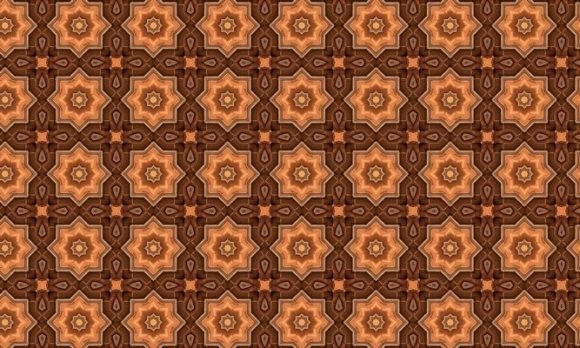
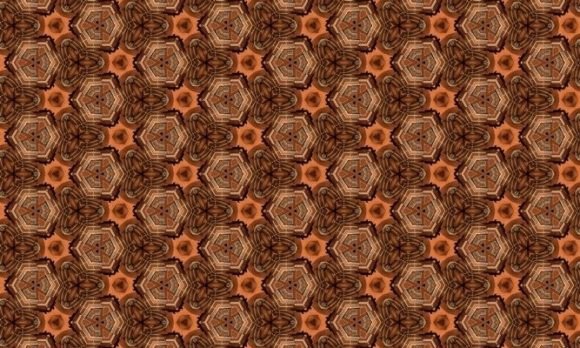
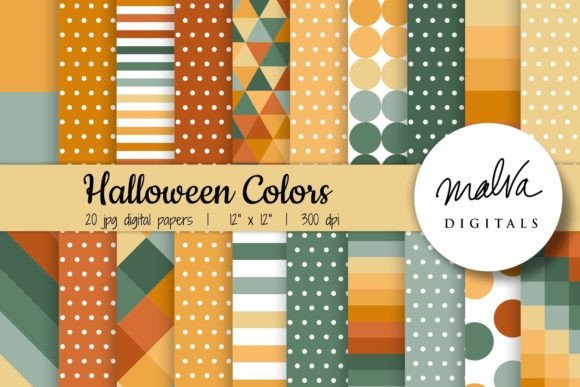
At its core, Halloween Geometric Patterns is a curated collection of 20 high-resolution digital papers (300 dpi, 12” x 12”, JPG format), built around foundational geometric motifs—chevron, polka dots, stripes, scattered dots, squares, and concentric circles—rendered exclusively in a sophisticated, on-brand Halloween palette: deep burnt orange, earthy brown, and muted forest green. Unlike generic clipart or over-saturated stock graphics, this set is intentionally restrained, scalable, and context-aware—designed not just to look festive, but to function reliably across diverse applications.
Why Geometric Structure Matters in Seasonal Design
Geometric patterns have long served as the quiet backbone of visual communication—offering rhythm, hierarchy, and cognitive ease. In today’s saturated content landscape, where attention spans compress and cross-platform consistency becomes non-negotiable, geometry provides structure without sacrificing personality. A chevron pattern adds directional energy to a classroom poster; polka dots lend playful rhythm to sticker sheets without overwhelming young learners; stripes and squares create clean, modular backgrounds for PowerPoint slides used in client presentations or teacher training workshops.
This isn’t nostalgia-driven design—it’s systems thinking applied to seasonal creativity. Where earlier generations might rely on hand-drawn pumpkins or cartoon ghosts, today’s professionals prioritize reusability, brand alignment, and production efficiency. A single geometric paper can serve as a background for an email newsletter, a texture overlay in Canva, a layer in Procreate for custom sticker design, or even a print-ready base for foil-stamped gift tags. That multiplicity reduces asset fragmentation and accelerates time-to-market—critical for small studios managing multiple clients or educators preparing for October-themed units under tight deadlines.
Fitting Into Broader Creative and Business Trends
The rise of Halloween Geometric Patterns reflects several converging industry shifts:
- The Professionalization of DIY Tools: Platforms like Canva, Adobe Express, and Cricut Design Space have democratized production—but they also raise expectations. Users no longer want “cute.” They want cohesive. A set like this delivers pre-vetted color harmony and scalable repetition, eliminating guesswork while preserving creative control.
- The Demand for Cross-Channel Consistency: A small bakery launching a Halloween promotion needs matching Instagram Stories, printable window decals, and laminated kids’ activity sheets. With one unified pattern library, every output shares visual DNA—building recognition and trust without requiring a full brand refresh.
- Educational Resource Optimization: Teachers increasingly curate their own materials to meet differentiated learning goals. These patterns support inclusive design: high-contrast orange-on-brown improves readability for dyslexic students; subtle textures reduce visual fatigue on worksheets; and neutral geometry avoids age- or gender-coded stereotypes often embedded in character-based Halloween art.
- Sustainability Through Digital Reuse: Physical decor supplies generate waste. Digital papers eliminate inventory risk, shipping emissions, and shelf-life concerns. A designer purchases once—and deploys across dozens of projects for years. This aligns with growing corporate ESG commitments and individual creator values.
Real-World Applications: Beyond the Obvious
While cardmaking, scrapbooking, and party decor remain intuitive uses, the true strategic value of Halloween Geometric Patterns emerges in less obvious contexts:
- Classroom Workflow Integration: A middle school science teacher uses the circle pattern as a subtle background for lab safety posters—its radial symmetry reinforces concepts of orbits or cell structures. The same file becomes a border for student-generated “Habitat Diorama” labels printed on Avery 5160 sheets.
- Client-Facing Brand Extensions: A boutique marketing agency embeds the chevron paper into slide decks for a retail client’s Q4 campaign pitch—not as decoration, but as a structural guide for data visualization grids, reinforcing professionalism through repetition.
- Productized Digital Offerings: Freelance designers bundle these patterns into “Halloween Brand Kits” sold on Creative Market. Because each paper is 300 dpi and 12” x 12”, they scale flawlessly from social media banners to large-format wall decals—enabling creators to offer premium deliverables without custom illustration overhead.
- Hybrid Event Production: For a university’s hybrid Halloween career fair, organizers use the square pattern for virtual Zoom backgrounds (clean, non-distracting) and the same file printed at 24” x 36” for physical signage—ensuring seamless continuity between online and in-person experiences.
Color Strategy: Why Orange, Brown, and Green?
This isn’t arbitrary palette selection. Burnt orange conveys warmth and celebration without the visual aggression of neon or fluorescent tones. Earthy brown grounds the set—adding sophistication, reducing glare on screens, and supporting accessibility compliance (meeting WCAG AA contrast ratios against light text). Forest green introduces depth and natural resonance, subtly nodding to autumn foliage and ecological themes increasingly central to modern holiday messaging.
Together, these hues avoid cultural cliché while remaining instantly legible as “Halloween.” They integrate effortlessly with existing brand palettes—pairing cleanly with navy for corporate events, cream for artisanal packaging, or charcoal gray for minimalist educational materials. That adaptability makes them a foundational layer, not a decorative afterthought.
Workflow Advantages for Professionals
In practical terms, the technical specifications drive measurable efficiency:
- 300 dpi resolution ensures crisp printing at any standard craft or commercial size—from 2” round stickers to 24” x 36” posters—without pixelation or interpolation artifacts.
- JPG format guarantees universal compatibility: no plugin dependencies, no layered file bloat, no version conflicts across software ecosystems.
- 12” x 12” dimensions match industry-standard scrapbook and cutting-machine templates—eliminating resizing steps and aspect-ratio distortion when importing into Silhouette Studio or Cricut Design Space.
- Pattern repeatability means seamless tiling for large backgrounds or continuous borders—critical for banner design, website headers, or printable wrapping paper.
For agencies billing by the hour, that translates to minutes saved per project. For educators preparing materials during planning periods, it means fewer late nights troubleshooting image quality. For solopreneurs building productized offerings, it means faster iteration cycles and higher perceived value.
Looking Ahead: Design as Infrastructure
As creative work becomes increasingly modular and platform-agnostic, the line between “asset” and “infrastructure” blurs. Halloween Geometric Patterns exemplify this evolution—not as isolated graphics, but as interoperable components within a larger creative operating system. They anticipate how professionals actually work: across devices, under deadlines, with constrained resources, and with escalating expectations for polish and cohesion.
That’s why forward-looking creators aren’t just buying digital papers—they’re investing in design leverage. One well-structured pattern set replaces dozens of fragmented searches, inconsistent downloads, and time-consuming edits. It supports scalability without sacrificing authenticity. It honors seasonal intent while upholding professional standards.
In a world where speed, sustainability, and strategic consistency define competitive advantage, Halloween Geometric Patterns isn’t just timely—it’s essential infrastructure for the modern creative workflow.